Showing posts with label wildlife photography. Show all posts

Saturday, July 4, 2015

First Day Back In Hiding - By Kyle de Nobrega

What a way to begin a new working cycle back in the hides. Yesterday morning Kyle de Nobrega, our resident photographer at Mashatu Game Reserve, had one cracker of morning in the Matabole Hide. Kyle was joined by guest Willem Kok, between the two of them they could barely contain their excitement as they encountered intimate visits from 5 hyena, a large herd of elephants as well as 3 separate bulls. Not to mention the extremely active birdlife which kept their camera’s clicking all morning.
Here are a few of Kyle’s shots from the morning, most of which were captured using SIGMA’s brand new 150-600mm Sports lens, which has proven to be nothing short of fantastic!


Read more...

Tuesday, June 9, 2015

Svalbard Photo Tour - By Astrid Bluemel


MS Stockholm

We’ve arrived in Longyearben on Svalbard. This island, which is about the size of Ireland, and at latitude 78°N, is only 1338km from the North Pole! We are here to photograph polar bears.


Read more...

Friday, February 6, 2015

Leopard Encounter at the C4 Valley Hide

The privilege of spending hours each day out in the field observing and photographing wildlife is something that cannot really compare to anything else for us.
Throughout all the years there will always be moments that are more vivid in your memory and others almost forgotten completely. Certain experiences stand out more so than others and every now and then, you get very lucky with something phenomenal.
This particular afternoon we set out to go and have a look on the new Valley Hide. On our way to the hide we spotted a relatively young female leopard who was a little skittish and was headed in the direction of the hide. After seeing tracks on many occasions of a female leopard that had come down to the waterhole for a drink, we where certain that she was going to go for a drink.
We quickly got into the hide and set up beanbags and pillows as a small barrier to block our presence and waited for almost an hour before we saw her strolling along towards us over the horizon.
This truly was a moment that got the adrenaline pumping. Words cannot describe the feeling one has when being in the presence of a leopard that is so close to you and so curious, so hopefully the video speaks for itself in how beautiful and rare this moment was.


Leopard Encounter


Read more...

Wednesday, September 10, 2014

True Wilderness in Laikipia


With 1 million hectors of true wilderness heaven, one can only imagine the masses of wildlife that roam the landscape of Laikipia. Laikipia situated in Northern Kenya is the eco tone between East African Savannah and the Chalbi Dessert, thus creating a unique environment ideal for wildlife to thrive in. With the combination of large open plains, wooded landscapes and huge granite protrusions one is spoilt with a diverse array of landscapes.

 
The Beautiful Wilderness of Laikipia
 

Read more...

Monday, July 7, 2014

C4 Hides Update

The C4 hides at Mashatu Game Reserve are in full swing at the moment. The elephant hide has been teeming with bird life, everything ranging from guinea-fowls to fire-finches and parrots. As the great Matabole River slowly dries up the mammals on the reserve – especially the elephants – are becoming more and more dependent on the waterhole as their permanent source of water. Regular visitors this past month include impala, baboons, elephants and warthog, the more occasional visitor’s include vervet monkeys, eland, hyena, banded mongoose and lion.

Mashatu's towering giants having a drink at the elephant hide


Read more...

Monday, January 3, 2011

Rounding off the year with the magic of Chiefs Camp - by Isak Pretorius

The scenic beauty and wilderness feeling that Chiefs Island offers makes it one of my favorite places in Africa to visit. It was quite fitting to end the year for C4 Workshops at such a great location.

chiefs island, workshop, wildlife photography,  okavango delta, isak pretorius,

chiefs island, workshop, wildlife photography,  okavango delta, isak pretorius,


With the early December rains, the area has transformed into beautiful green, different from what we had seen five weeks earlier on our previous workshop to the island. It was quite noticeable how much more water was around from the local rains they've had - a beautiful sight to see and exactly what one always envisage the Okavango Delta to look like.

chiefs island, workshop, wildlife photography,  okavango delta, isak pretorius,

chiefs island, workshop, wildlife photography,  okavango delta, isak pretorius,

The workshop was a great success - from the flight into the lodge over the Okavango Delta that gets the excitement going at the beginning of the workshop, to the sharing of photos during our afternoon informal workshop sessions. Anywhere in the bush where you have great game-viewing and a relaxed atmosphere is a great place to learn and put the theory of wildlife photography into practice.

chiefs island, workshop, wildlife photography,  okavango delta, isak pretorius,

chiefs island, workshop, wildlife photography,  okavango delta, isak pretorius,

December in the Okavango Delta means lots of birds, and we had great sightings of raptors, waders and the all the migrant species. Some of our highlights included seeing Pygmy Geese and Rosy-throated Longclaw, and in addition we got great photos of kingfishers and the African Painted Snipe to name a few.

We made the most of the variable weather conditions we experienced as we photographed everything from early morning backlit buffalo, carmine bee-eaters in the rain, to lions shaking their head after the rain. I loved the variable weather and mild temperatures and I like in particular how it forces you to be creative and experiment with all the different genres of photography to make the most of the trip.

chiefs island, workshop, wildlife photography,  okavango delta, isak pretorius,

chiefs island, workshop, wildlife photography,  okavango delta, isak pretorius,

Chiefs Camp is one of the best camps in Africa. Having cocktails on the deck while watching elephants bathing in the water right in front of you makes you realize that this is a special camp. It's not just the location, the luxury, the quality of the service or the food, but also the homey feeling that it provides that people always enjoy the most. Besides game drives, the camp also offer a variety of other activities. A flip over the swamps with a helicopter was a great way to end our workshop and we were all very sad to leave Chiefs Island. We are already looking forward to visiting there next year again. We'd like to say a big thanks to Rory, Jade, Basil, Petra, the rest of the camp staff, and our fantastic driver guides Rex and Jonathan who made this such a memorable trip for us all!

Happy shooting everyone and see you next year!
2-6 November Chiefs Island
7-11 December Chiefs Island

chiefs island, workshop, wildlife photography,  okavango delta, isak pretorius,

chiefs island, workshop, wildlife photography,  okavango delta, isak pretorius,


Read more...

Tuesday, November 23, 2010

Mashatu Workshop Trip Report - November 2010 by Villiers Steyn

We arrived at Mashatu Tent Camp on a cold, overcast day. Despite the chill in the air and a few raindrops along the way, our first game drive turned out to be the perfect start to yet another unforgettable weekend in the Land of Giants. Shortly before sunset we came across a mother leopard and her sub-adult cub resting on a branch. With the help of the spotlight we were able to get some stunning shots before the light disappeared completely.

mashatu, photo workshop, villiers steyn, wildlife photography,

The following morning rain forced us to stay in camp. We used the time to discuss various aspects of wildlife photography, including our equipment, processing techniques and the importance of understanding light. After brunch the clouds finally dried up and allowed us to spend the rest of the day on drive. As always, Mashatu produced some of the best elephant sightings imaginable. We were able to photograph drinking elephants and herds walking in single file, not to mention young bulls play-fighting! On our way back to Tent Camp we got a call over the radio that wild dog tracks were found in the Central Area. In an attempt to keep everyone’s expectations in check, I agreed to eat my cap if we found them the following day…

mashatu, photo workshop, villiers steyn, wildlife photography,

mashatu, photo workshop, villiers steyn, wildlife photography,

At 06:30 on Saturday morning we found four highly mobile wild dogs. They were on a mission of note, only stopping briefly every couple of hundred meters to smell, mark or have a drink in one of the many natural pools, which now covered the Mashatu landscape. We followed them for nearly an hour and a half until they settled in the shade of a mopane-thicket. By the way, my cap would have gone down better with some ketchup or chutney!

mashatu, photo workshop, villiers steyn, wildlife photography,

mashatu, photo workshop, villiers steyn, wildlife photography,

On the next few drives we focussed our attention on a lioness with three tiny cubs. We found them on numerous occasions, but since the weather had turned back to the more familiar hot, sunny days, we struggled to find the pride in places that weren’t covered in shade. Only after sunset did they become active.

It wasn’t only large cats and wild dogs that made the shutters click. We were able to photograph a great variety of smaller creatures that are less often seen than the large, charismatic predators. African wild cat, African rock python, rock monitor and banded mongoose all made the list of keepers! Some participants were also able to get stunning shots of more common species, such as tree squirrels and white-fronted bee-eaters. One of the most productive sessions was spent with a troop of baboons that allowed us to get some dramatic back-lit photographs, whilst they played in a tree just before sunset.

mashatu, photo workshop, villiers steyn, wildlife photography,

mashatu, photo workshop, villiers steyn, wildlife photography,

Personally, the highlight for me was seeing Mashatu transform from a relatively dull, dry reserve into a lush, green paradise in a matter of days! It was impossible not to stop every now and again to admire the changing landscape with all its unique habitats. This photograph of an apple-leaf forest is one of my favourite landscape shots of the weekend!

mashatu, photo workshop, villiers steyn, wildlife photography,

Thank you to Monty and Hilda and the rest of the Tent Camp staff for making it yet another unforgettable stay! And of course to Richard and Jakes, our guides, for their incredible patience and effort in the field. Last, but by no means least, thanks to all the participants for making this workshop a great success!

Happy snapping!

Villiers Steyn

PS: …when Scotland beat South Africa in the rugby, I had to eat my fleece!

mashatu, photo workshop, villiers steyn, wildlife photography,

Our Next Mashatu Workhop: March 2011
September Mashatu Workshop Feedback by Villiers Steyn
View our photo workshop video here.
Join C4 on Facebook here

Read more...

Friday, October 8, 2010

Counting Wildebeest by Isak Pretorius

How long will it take you to count two million wildebeest given that it takes you one second to count one wildebeest and that you can count for eight hours per day? This is the question that one of our guests had during the recent Masai Mara Photographic Safari with C4 Images and Safaris.

c4 images and safaris, masai mara photographic safari, wildlife photography, masai mara, isak pretorius,

The fact is that two million wildebeest is a lot of animals, and it is just as Shem warned people before the trip - it's a lot to take in. The sheer number of animals is overwhelming and as a natural history experience it's one of the spectacles everyone should see at least once in their lifetime!

c4 images and safaris, masai mara photographic safari, wildlife photography, masai mara, isak pretorius,

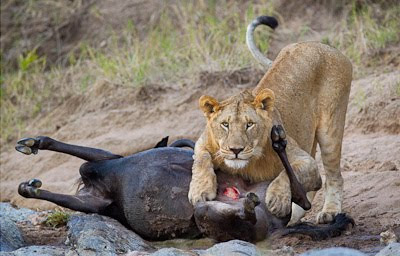
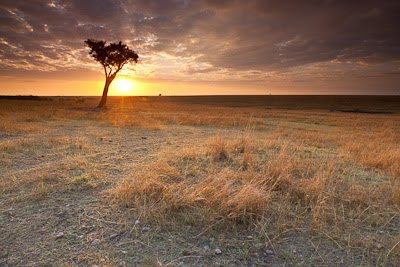
The photography during our safari was brilliant - it really put wildlife photography in a new light. The sightings in the Mara is so good that we would often just drive past inactive predators because we knew that we were going to see better action somewhere else. Everyone was keen on the classic Mara shots - cheetah on an anthill, lions on a kill, vultures on a wildebeest carcass, wildebeest crossing, and the lone tree with big sky scene to name a few. We were fortunate that we had the opportunity to cover all those shots in the first few game drives which forced us to chase better sightings and more creative shots. Apart from the wonderful wildlife photography that the Masai Mara has to offer, the other highlight of the trip was the good coffee that Kenya is known for - strong, smooth and aromatic!

c4 images and safaris, masai mara photographic safari, wildlife photography, masai mara, isak pretorius,

The tent camp on the Mara river with it's bush feel was a hit with everyone. We were treated to all sorts of animal calls at night, and even leopard calls every morning. One morning during coffee we managed to spot a leopard as he walked past our camp only a few hundred meters away from us. The week before, our guests from the previous photo safari hit the jackpot when they saw one of the most dramatic wildebeest crossings right in front of camp.
c4 images and safaris, masai mara photographic safari, wildlife photography, masai mara, isak pretorius,

With camp located inside the reserve and having five safari vehicles to our disposal we made great work of first morning light. Early morning landscape shots were at the order of the day. Each vehicle had the option of having a packed breakfast out in the veld or to have breakfast back at camp, but we all wanted to stay out photographing as long as we could. The vehicles we use are very photographer-friendly, with the option of photographing through the top hatch or through the side windows. Each photographer also had a whole row of seats available to him/herself which added to the comfort of the ride.
c4 images and safaris, masai mara photographic safari, wildlife photography, masai mara, isak pretorius,

From all the Safaris I've ever hosted, this was the trip where memory cards got filled to capacity the fastest! Thank you Lexy and the staff for a wonderful trip!

c4 images and safaris, masai mara photographic safari, wildlife photography, masai mara, isak pretorius,

So how long will it take you to count two million wildebeest? The answer is ... more than three months!!
c4 images and safaris, masai mara photographic safari, wildlife photography, masai mara, isak pretorius,

c4 images and safaris, masai mara photographic safari, wildlife photography, masai mara, isak pretorius,

c4 images and safaris, masai mara photographic safari, wildlife photography, masai mara, isak pretorius,

Read more...

Tuesday, August 10, 2010

Mashatu Workshop Feedback

The 16-20 June workshop is always a highlight- and this year’s was no different. Booked over the winter solstice to give the lowest angle of sunlight, you just know that you are going to get excellent light during this Photo workshop.


If the sunlight is good, well, then the sightings were just amazing on this photo workshop. Leopard Cubs, Lion cubs, wild dogs, cheetah at dawn and of course an elephant or two thrown in made it one of the most diverse 4 days of wildlife photography we have ever had.


Not even the ice cold wind blowing from the south could dampen the early morning starts, such was the enthusiasm.


The other highlight was of course the night photography we did. With such cold, crisp skies, we were able to get some spectacular images of the stars and milky way. We guided our clients to the exact settings so that everyone could get “the shot”.


With such an array of subjects that we photographed, I do believe that the images will explain more about our sightings over this Photo workshop.


Read more...

Wednesday, March 24, 2010

Japan Tour - February 2010

It’s funny the looks you get when you tell people you are going to Japan to photograph their wildlife. What most people don’t realise is that Japan houses some very unique and highly endangered wildlife, that allow for some very close up and personal wildlife photography. So while it may not be high on animal diversity (what sub zero winter destination is?) it is high on uniqueness of species with which we spent a lot of time photographing..

japan, photo tour,  wildlife, wildlife photography, c4 images and safaris

After meeting and spending the night in Tokyo, we headed straight to the northern most island in the Japanese archipelago (of 3600 islands), Hokkaido.
This large island houses a large farming and fishing community as well as most of the protected wildlife in Japan- hence us staying 7 nights here!
Leaving Tokyo, the temperature was a balmy 0 C. Arriving in Hokkaido we were greeted to -7C and a fresh wind to drop the thermometer a couple more degrees.

japan, photo tour,  wildlife, wildlife photography, c4 images and safaris

Photographing in sub zero temperatures you need to be well equipped with the correct clothing and also the correct camera equipment. You also need to be dedicated wildlife photographers, which is exactly what our group was, with every one well kitted out with thermal gear. Even jokes were being made about -20 and no thermals!

japan, photo tour,  wildlife, wildlife photography, c4 images and safaris

The first specie we photographed was “Tancho”, the Japanese crane. This bird’s numbers once got as low as 160 birds in Japan. Today their numbers are up to near 2000, and gratefully so. They are one of the most graceful birds in the world. And that is before they do their courtship dance which truly one of the great birding spectacles. Their grace flows from their necks into their wings, feet and upturned bills. Photographing them is quite remarkable. Due to their various feeding and roosting spots, we were able to photograph them in many different habitats. Two real highlights were seeing them at their roosting spot and at an education centre where some come for food.

japan, photo tour,  wildlife, wildlife photography, c4 images and safaris

The cranes roost in the Tsurui River to avoid the freezing ground temperatures.
The goal is to photograph them at dawn as the steam is rising from the river. At temperatures of around -20C the mist from the river attaches to the trees alongside as hoar frost to create a stunningly beautiful scene at sunrise. So there we were in the dark on a bridge, tripods set up waiting for the sun to rise.

japan, photo tour,  wildlife, wildlife photography, c4 images and safaris

We were luck enough to get the right conditions for all the above and we captured some lovely images of the enigmatic Japanese cranes in one of the most beautiful, serene and surreal scenes I’ve had the pleasure to witness.

Photographing the cranes feeding was another highlight. Not only because of the cranes, but also due to he white tailed eagles that stoop down to steal the feed. This causes a lot of interaction and certainly keeps the cameras firing away and warm.

japan, photo tour,  wildlife, wildlife photography, c4 images and safaris

After we left the cranes we headed north to the whooper swans in ice. Nagano Lake is very large and very frozen in late winter, when we visited. Due to the thermal activity of the island, some to water springs leak into the lake, melting the ice and warming the water. This attracts the swans who come for a warm bath. It also allows for some very moody images with the steam rising from the water. We spent 4 sessions photographing these swans in every angle imagineable. What with the white feathers on the white snowy background, I believe we could have all spent 4 more sessions working with these very beautiful subjects.

japan, photo tour,  wildlife, wildlife photography, c4 images and safaris

japan, photo tour,  wildlife, wildlife photography, c4 images and safaris

Rausu is a fishing town that lives on the extreme edge of life. Deep snow on one side and pack ice on the other surround the harbour in winter. The wildlife here is also very extreme. Orcas, brown bears, sea lions and shearwaters in Summer and the endangered Stellars sea eagle in Winter.
These striking eagles are really a sight to behold. Very different to many other birds of prey, they dominate the ice floes around Rausu.
We spent two mornings on a chartered boat with these eagles. This enabled us to see them in different light conditions and even with snow! The eagles were a real highlight for our groups and in our spare time we even cruised the town in search of them perched in the trees!

japan, photo tour,  wildlife, wildlife photography, c4 images and safaris

From Rausu it was back to the mainland via Tokyo and up towards Nagano for the Japanese maquaces. These intelligent monkeys have developed, over a hundred years or so, a knack for the warm steam baths that were originally built for humans. What it has resulted in are some beautiful scenes of the pink-faced maquaces in steaming water- creating a very lovely mood. And one which we took full advantage of! It was a full day of photography and by the time we had to leave, everyone was absolutely exhausted after running after the very active monkeys all day!

japan, photo tour,  wildlife, wildlife photography, c4 images and safaris

From Nagano we headed back to Tokyo where we indulged in some Japanese culture. This was unfortunately the end of another C4 Images and Safaris photo tour. It was also the first of our international tours. We hope to expand this aspect of C4 Images and Safaris in the future.
Many thanks to Go Yamagata who made the tour possible through his organisation and logistics in Japan. I wish to thank the dedicated photographers Paul, Pamela, Sheila, Geoff, Chris and Alan for joining us to this excellent wildlife photography destination.

japan, photo tour,  wildlife, wildlife photography, c4 images and safaris

japan, photo tour,  wildlife, wildlife photography, c4 images and safaris

Read more...